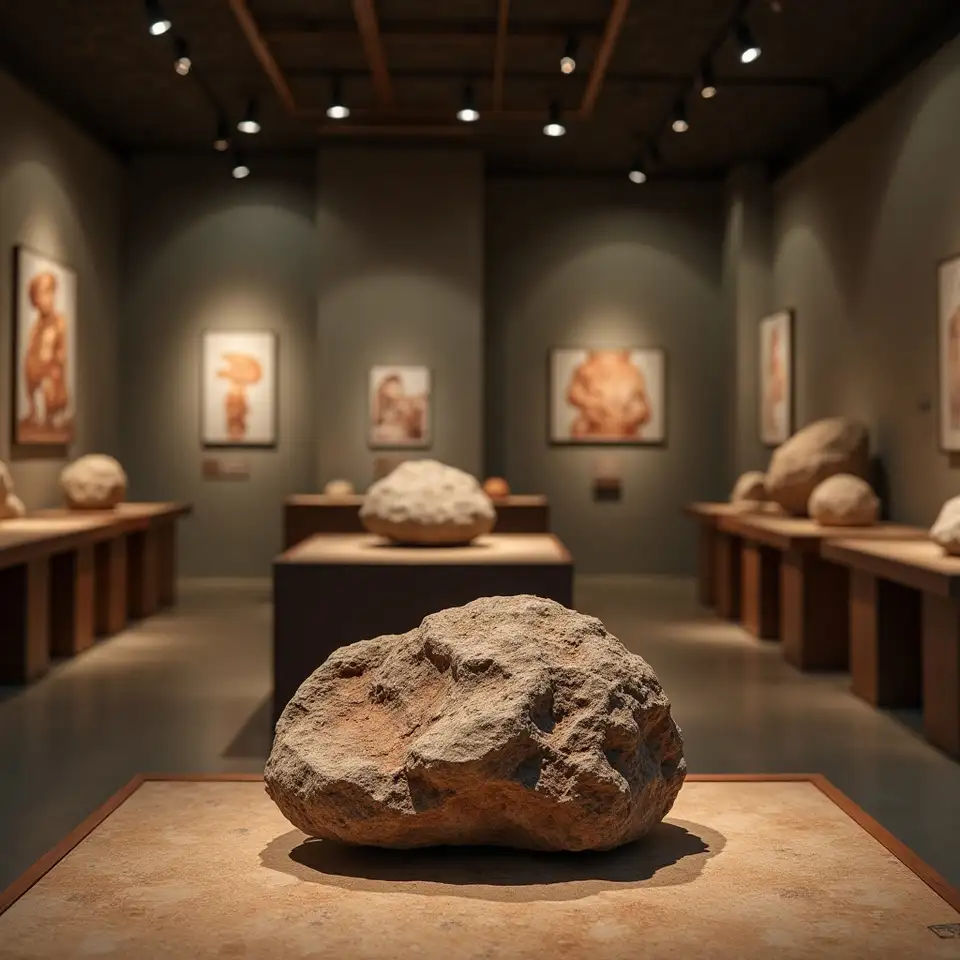
Our Meteorite Collection

Authenticated specimens from across the solar system, each with verified provenance
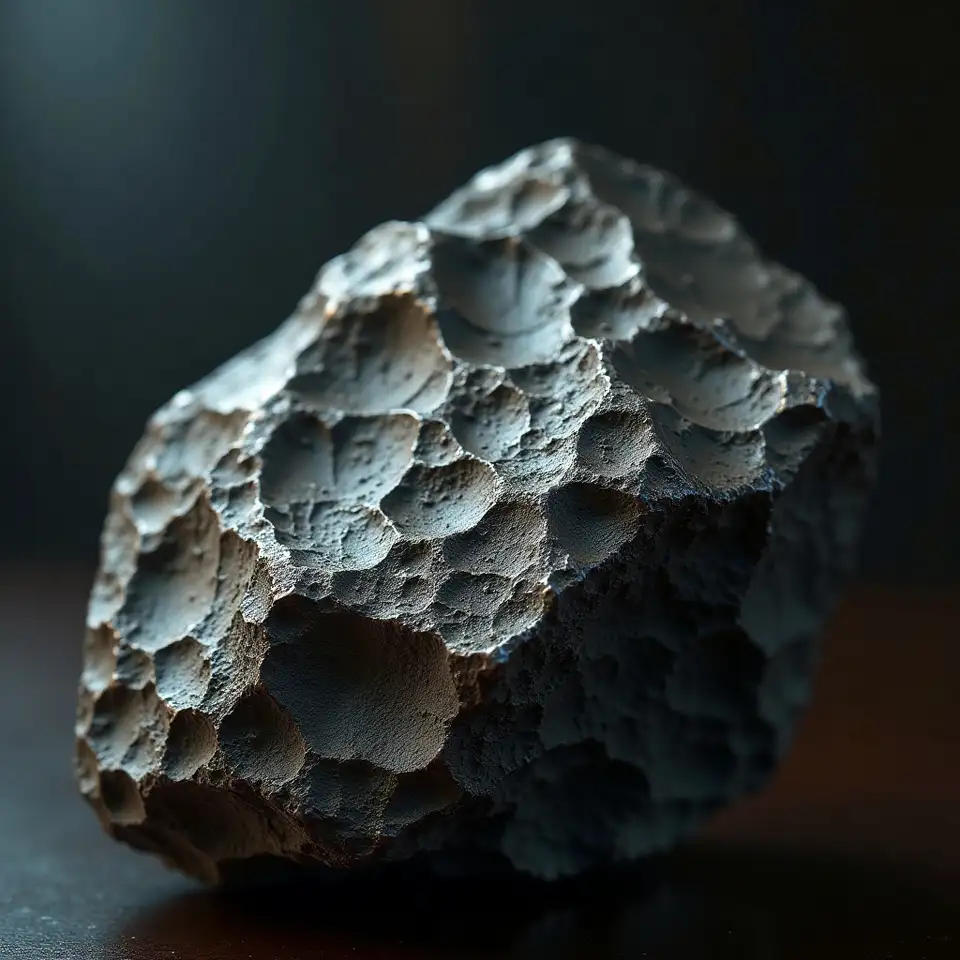
Who We Are and Why Meteorites Have Drawn Our Attention for Years

A team of passionate specialists dedicated to authenticated meteorite specimens as credible alternative collectible assets
You deserve a straightforward answer about who you are dealing with before you commit to anything.

Our Commitment to You

Every decision we make is shaped by one principle: you should understand exactly what you are acquiring and why it is valued as it is. Meteorite collecting sits at the intersection of natural history, scientific classification, and alternative asset interest — and that intersection is more complex than most introductory resources acknowledge. We do not simplify to the point of misleading you. Instead, we walk you through classification types such as chondrites, achondrites, iron, and stony-iron specimens, explaining what each designation means for rarity and collector demand. We discuss fall versus find provenance and why witnessed falls typically command stronger documentation. We outline the valuation factors that experienced collectors and institutions apply — including specimen mass, fusion crust integrity, and classification rarity index — so that you can weigh them yourself. Our role is to give you the clearest possible picture of a specimen's characteristics and standing. What you decide to do with that information is entirely your choice. Collecting authenticated meteorites carries the same uncertainties as any alternative asset class: market interest shifts, tastes evolve, and no past performance in this niche predicts future outcomes. We say this plainly because we believe an informed collector makes better decisions than an excited one. Past performance does not guarantee future results. If you want to explore a specific specimen or ask a detailed question about classification methodology, the best next step is to get in touch directly.

Our Classification Process

When you engage with a specimen through us, you move through a structured three-step review process we call the Provenance-to-Classification Pathway. First, origin documentation is assessed — fall records, find location data, and chain-of-custody history are cross-referenced against published databases and institutional records to establish authenticity.
Second, physical classification is applied using established meteoritical criteria. Specimen type, structural characteristics, weathering grade, and fusion crust condition are all documented in plain language you can read and question.

Third, a valuation context review is prepared, drawing on comparative market data and rarity assessments from the wider collector community. You receive a clear picture of where a specimen sits relative to others of its type — without inflated claims or speculative projections. Results may vary based on market conditions and specimen characteristics.


deep space stars cosmos background

The Principles That Shape Every Specimen Assessment We Conduct

Every specimen we discuss begins with authentication, not enthusiasm. You will never receive a valuation context before provenance documentation has been reviewed. This sequencing protects you from acquiring a well-presented object with an uncertain history. Verification is not a formality for us — it is the foundation of every conversation we have about a meteorite's standing and collector relevance.

Classification terminology can obscure as easily as it informs. We translate the scientific and market language of meteorite collecting into plain statements you can act on. When something is uncertain, we say so directly. When a specimen's classification carries caveats, those caveats appear in your documentation, not in footnotes. Clarity is a form of respect for the collector's time and resources.

We approach every specimen with the same methodical rigour regardless of its apparent rarity or market appeal. Enthusiasm is not a methodology. Our Provenance-to-Classification Pathway applies consistent criteria across all specimen types, ensuring that the assessment you receive reflects disciplined analysis rather than the fluctuating excitement of a particular moment in the collector market.

Understanding Alternative Collectibles: What Meteorite Specimens Represent as Assets

Meteorites occupy a distinct category among tangible collectibles — scientifically classified, finite in supply, and documented through institutional records

You are considering a category of collectible that behaves differently from conventional alternatives.

What You Can Expect When You Work With Us

You come to us with a question about a specific specimen, a category of meteorite, or the documentation standards you should expect from a reputable source. Here is what the engagement looks like in practice, from first contact through to the assessment you receive in plain language.

Clear Initial Scoping
Your first conversation focuses on what you are looking for and what you already know. We ask specific questions about the specimen type, available documentation, and your familiarity with classification categories. This scoping step ensures the assessment we prepare is relevant to your actual situation rather than a generic overview.
Provenance Document Review
We work through the available provenance materials — fall or find records, prior classification reports, and custody history — against published databases. Where documentation is complete, we say so. Where gaps exist, we identify them clearly so you can make an informed decision about how to proceed.
Classification Analysis
Using established meteoritical criteria, we assess and document the specimen's type, structural condition, weathering grade, and fusion crust status. The resulting classification summary is written in plain language, with the technical terminology defined so you can read it without a reference guide.
Comparative Valuation Context
We prepare a valuation context review drawing on comparative data from the collector market and institutional sources. This is not a price guarantee or an appraisal with legal standing — it is a structured picture of where the specimen sits relative to comparable classified examples, with all assumptions stated explicitly.
Ongoing Access to Updates
Collector market data and classification records evolve. If a significant update to a specimen's classification or to the broader market context emerges after your assessment, we communicate that to you directly. Your understanding of a specimen should reflect current information, not a static snapshot from a single point in time.

Our Core Values

The principles that guide every assessment, every conversation, and every specimen we discuss with collectors

Scientific Rigour

We apply classification frameworks that are consistent with internationally recognised meteoritical standards. Every assessment references documented criteria rather than subjective judgement. When the science is uncertain — as it sometimes is in complex classification cases — we state that uncertainty plainly rather than presenting a confident-sounding estimate that the evidence does not support.

Transparent Communication

You will never receive an assessment that obscures a limitation or omits a relevant caveat. If a specimen's provenance has a gap, that gap appears in the report. If comparative market data is thin for a particular classification type, we tell you so. Transparency is not a disclaimer exercise — it is the foundation of a useful working relationship with any collector who takes this category seriously.

Collector Respect

We treat every collector as capable of understanding the full picture. That means we do not simplify to the point of misleading, and we do not inflate enthusiasm at the expense of accuracy. Whether you are exploring meteorites for the first time or refining a well-developed collection, you receive the same quality of information and the same directness about what is known and what is not.

Documented Integrity

Every specimen we discuss is assessed against its actual documentation, not its presentation. A visually striking specimen with incomplete provenance receives the same scrutiny as a less dramatic one with full records. Integrity in our process means the assessment reflects the evidence available, consistently applied, regardless of the commercial appeal of a particular piece.

Responsible Representation

We do not overstate what meteorite collecting represents as an alternative asset class. Market interest fluctuates, values move in both directions, and no specimen's past collector demand predicts its future standing. We communicate these realities clearly because responsible representation of this niche benefits the entire collector community, not just the individual transaction.

Cookie Notice

This website uses cookies to support its operation and to collect anonymised analytics data about how visitors navigate mirquosen.com. Strictly necessary cookies keep the site functioning correctly. Analytics cookies collect aggregated, anonymised data only and are not used for targeted advertising or cross-site tracking. You may accept all cookies or reject non-essential cookies at any time. For full details, please read our Cookie Policy.
Read Cookie Policy